


Frontend
Unity (WebGL UI & 3D Interaction)

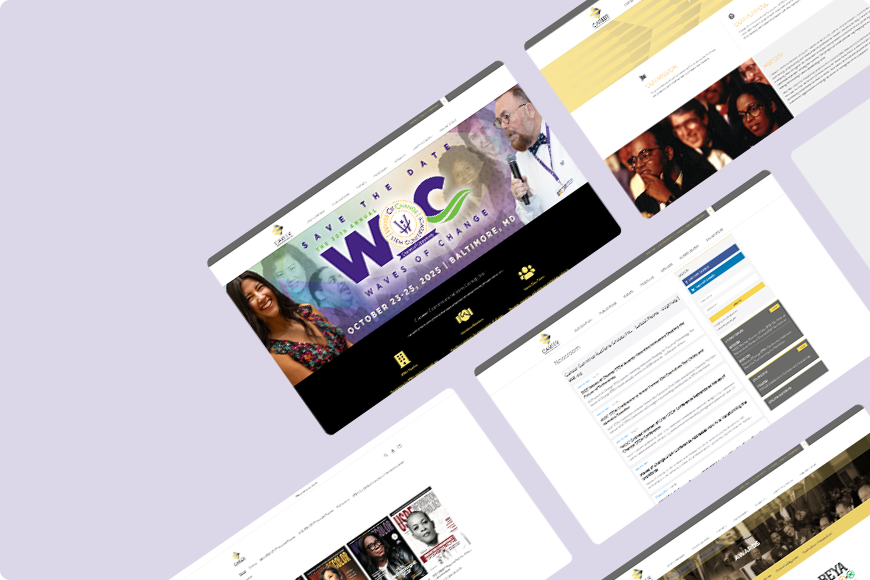
Building a Scalable, AI-Powered 3D Virtual Library using Unity for CCG to Boost STEM Engagement
Reach : USA
Time Frame : 6 months
Deliverables:
We helped CCG boost user engagement by 35% and cut search time by 40% by building a scalable, AI-powered 3D library in Unity; custom-designed for STEM outreach. This virtual library amplifies CCG’s mission of promoting underrepresented voices in STEM through accessible, tech-forward platforms.

Unity (WebGL UI & 3D Interaction)

Python (Content Management & AI/ML Logic)

Ollama + LSTM (Search Optimization & NLP)

REST APIs (AI Bot & CMS Communication)
Career Communications Group (CCG), a USA-based media company focused on STEM talent development, wanted a virtual 3D library for one of their metaverse platforms. They needed a space where users could browse BEYA-related content, guided by an AI-powered assistant. We built the virtual library using Unity, added an AI receptionist bot using Ollama and LSTM, and organized the backend with Python. The result is an interactive, easy-to-navigate library with strong search features, helping users access resources quickly while supporting future expansion.
Career Communications Group, Inc. (CCG) is a USA-based media company that has been promoting success in science, technology, engineering, and mathematics (STEM) since 1985. They work with global corporations and government organizations to find, develop, and retain diverse tech talent.
Through national conferences like BEYA and WOC STEM, digital platforms such as STEM City USA, award-winning TV programs, and publications including USBE & IT and Women of Color STEM, they reach hundreds of thousands of individuals committed to growth and excellence.
The goal of this project was to create a 3D virtual library using Unity for Career Communications Group (CCG), where users could interact with digital bookshelves and access information about the BEYA Hall of Fame.
We focused on building a detailed and interactive environment with Unity, including elements like books, chairs, and tables to make the experience feel real. The client wanted a smart receptionist bot, so we integrated an AI model, Ollama, powered by LSTM, to help users search using keywords.
We used Python for backend organization and AI/ML to improve search results. Our aim was to ensure smooth performance, better search accuracy, and an easy way to manage and expand content.
We faced challenges in sourcing budget-friendly 3D assets, so our team created several in-house. Fine-tuning the AI model for accurate search results and optimizing the 3D environment to run smoothly in web browsers also required focused effort throughout the project.
We used Unity to create an interactive 3D library environment with lifelike elements such as bookshelves, tables, chairs, and ambient lighting. This setup allows users to walk through the library, interact with objects, and feel like they’re in a real space, all within a web browser.
To help users search easily, we built an AI receptionist bot powered by the Ollama model. We trained it using LSTM so it could improve its responses over time. The bot understands typed keywords and guides users to relevant books and articles inside the virtual library.
We used Python to build a backend system that manages all the library’s content. It supports fast keyword searches and ensures that the AI receptionist can pull up the correct information. The system was structured to handle both 2D and 3D resources in one place.
Our team optimized the entire virtual experience for browser use. We reduced load times, improved frame rates, and made sure the 3D environment ran smoothly across various devices. This involved custom asset compression and scripting adjustments in Unity.
To stay within budget, we developed some 3D assets in-house instead of purchasing them. Our designers created custom bookshelves, decorations, and layout elements that matched the platform’s theme while keeping performance in mind.
We fine-tuned the AI model with real user data to improve how it understood queries. This involved refining the LSTM training and updating how results were ranked. As a result, users now get more accurate search suggestions and results.
We built the system in a way that allows the client to add more content in the future without needing to rebuild anything. The backend supports quick updates, and Unity allows new 3D scenes or books to be added without affecting current performance.
Our team coordinated closely on tasks like content tagging, AI integration, and testing. We tracked milestones and ensured each phase was completed on time. The collaboration helped us deliver a working product without delays.
Working with Career Communications Group (CCG) was a great experience, and our team enjoyed the opportunity to contribute to their metaverse platform. We collaborated closely with CCG to ensure the 3D virtual library was built to their specifications, balancing user experience and technological innovation.
Despite the challenges, such as sourcing 3D assets and fine-tuning the AI model, our team worked together to ensure the project was completed on time and met all expectations.
CCG’s feedback was essential, and we made sure the end result was easy to use, interactive, and aligned with their goals.
The 3D virtual library for CCG was a success, combining AI and ML to create an engaging platform for STEM professionals. The library is now interactive, offering users a rich experience for accessing content about the BEYA Awards and Hall of Fame.
experience for accessing content about the BEYA Awards and Hall of Fame.
 Increased user engagement by 35%Reduced search time by 40% Improved content management efficiency by 50%Achieved 30% faster load times on browsers
The project’s success has empowered CCG to expand and maintain the virtual library easily, enhancing its accessibility and usability for all users.
A scalable, AI-powered 3D virtual library built with Unity, integrating efficient search and content management for enhanced accessibility.
Ready to Create Immersive Learning Environments? Let’s talk about building your next AI-powered virtual experience.


 solutions@synapseindia.com


